The spinach looked useful when you bought it. Then dinner changed, the bag slipped behind something else, and another shop arrived before you’d used it. Nothing dramatic happened. The ingredient simply lost its place in the week.
That makes the next shopping list a useful place to begin reducing food waste. A look at what is already home can change both dinner and what needs buying. Over time, those small decisions matter more to the routine than a perfectly arranged fridge.
The next meal may already have a beginning
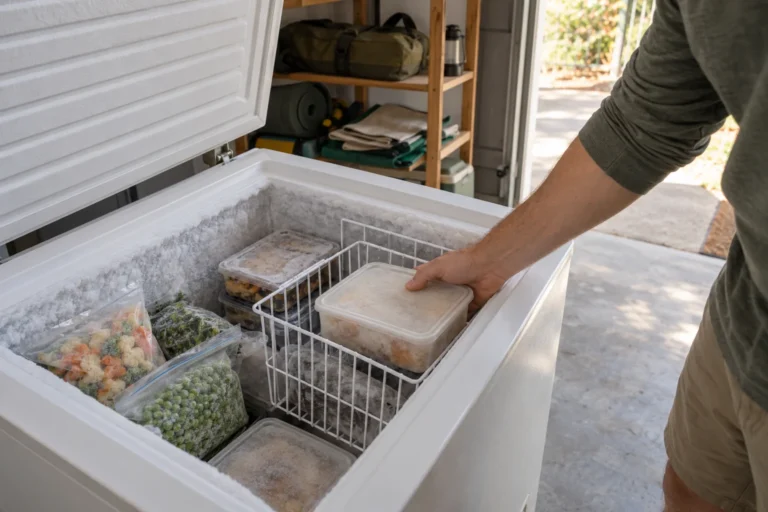
An opened sauce, a portion of roast vegetables and a prepared freezer meal are easy to overlook for different reasons. The sauce was bought for one recipe. The vegetables no longer have a packet. The freezer meal is out of sight.
A fridge and cupboard check before shopping brings those possibilities back into view. The question is what you can confidently identify and use appropriately, with the packet’s directions and the food’s storage history in mind. Use-by and best-before dates have different meanings; neither should be replaced by a fresh guess to make an uncertain food look current.
Suitable food that needs attention is easier to remember in a visible place, while still properly stored. A short note on the fridge can do the same job. It gives the next cook somewhere to begin looking.
An ingredient needs an occasion
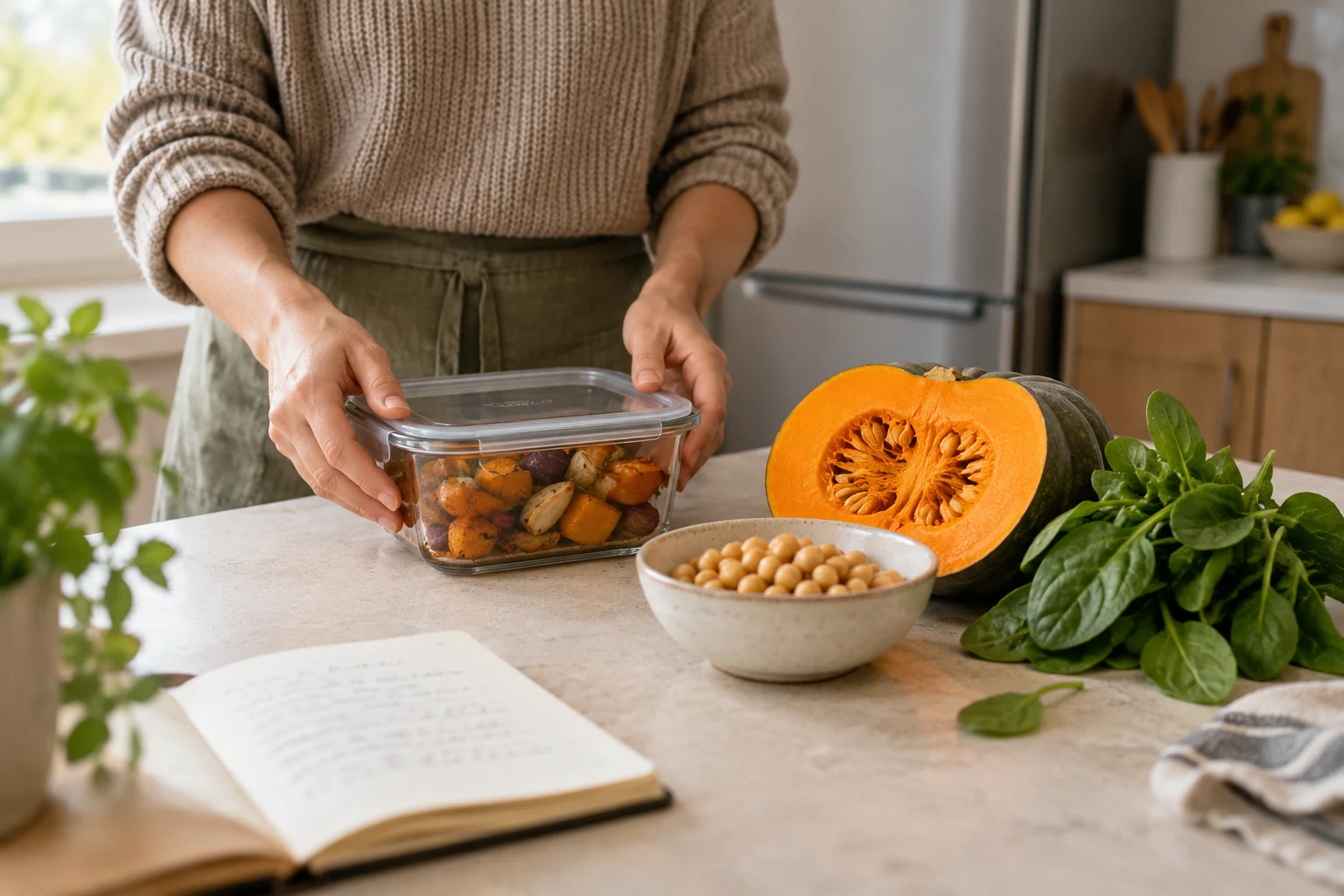
Remembering the spinach is helpful. Knowing it can go into tomorrow’s familiar pasta is more helpful still. A meal gives the ingredient a realistic destination, and the shopping list can cover whatever is missing.
Prepared food needs a slightly different decision. A portion of soup is already much of a lunch; it might need bread, rather than a new recipe and another set of ingredients. Keeping that distinction in mind stops a well-stocked freezer being overlooked while you buy more dinners.
The calendar matters here. An ambitious recipe is unlikely to use anything if the evening is too busy to cook it. The meal-planning article explores how a few dependable dinners can fit around the food and time you actually have.
Amounts deserve a check too. A rice jar on the shelf is not necessarily enough rice for the recipe. A list based on the shortfall is more useful than one based on the memory of an almost-empty cupboard.
Putting food away is a chance to keep the story
The next shop brings new dates, new quantities and perhaps a substitution you weren’t expecting. Chilled and frozen food needs prompt storage, as the NSW Food Authority's shopping guidance explains. The recording can fit around that.
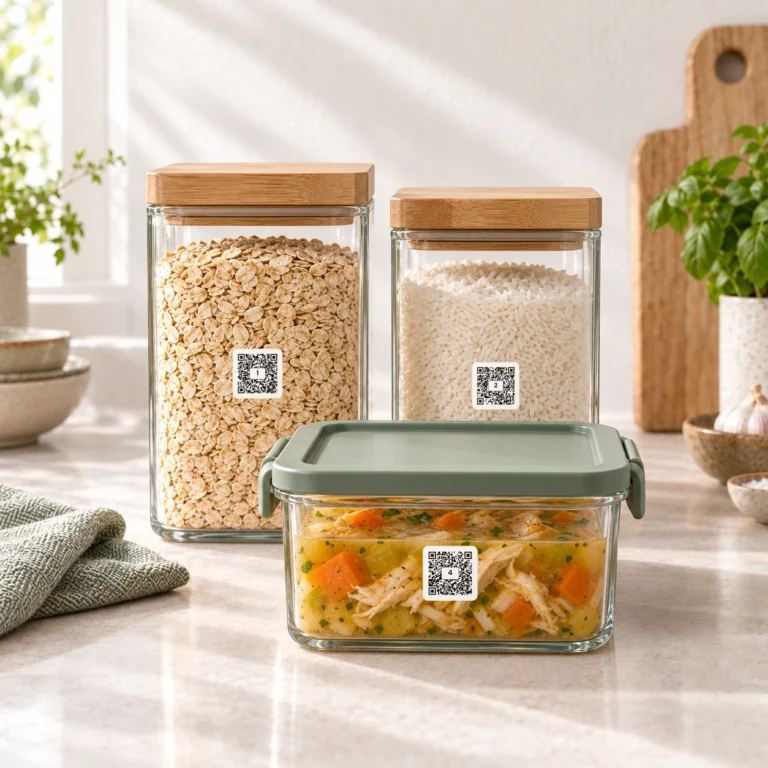
For food that leaves its packaging, a few details are worth keeping: the name, printed date and cooking instructions for a pantry jar; the contents, cooking history and serves for a homemade portion. Relevant ingredient and allergen information needs a reliable home too.
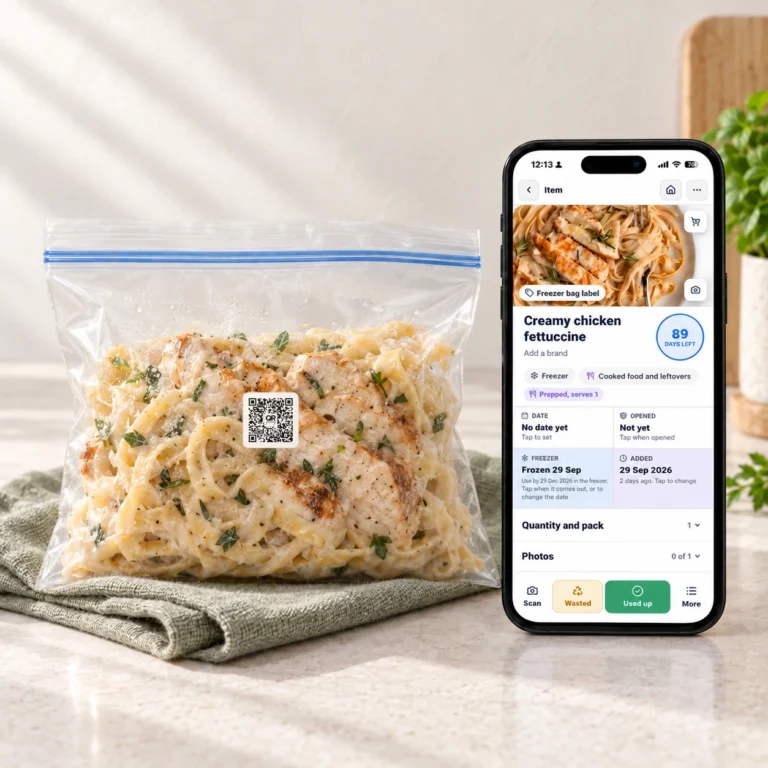
Suitable handwritten labels can work well. A QR Pantry label adds a food record on your phone, useful for longer notes or checking the kitchen from elsewhere. The first scan saves the contents; later scans bring the details back. The container-labelling article explains where that can help.
Old food doesn’t become new when the shelf is tidied
A new packet beside a half-full jar is still a separate batch. Keeping it separate preserves the older food’s date and makes the next choice clearer. Topping up the jar and saving only the new date loses that distinction.
The freezer needs a similar memory. A name, portion size, known freezing history and preparation instructions help turn a stored container into a meal you can choose. Once chosen, the food’s directions determine any preparation or defrosting it needs. The freezer article follows that journey to dinner.
Whatever method you use, it becomes more trustworthy when it changes alongside the food. A finished portion leaves the list. A container moved to the freezer gets a new location. There is less to reconstruct before the next shop.
The following week tells you something
Did the spinach make it into dinner? Was the soup easy to find? Did the large pack leave more than you wanted again? Those are useful observations, with practical answers: a smaller amount, an earlier meal or a better place for the leftovers.
The next list can reflect them. The kitchen doesn’t have to be perfect for its food to become easier to see, choose and use. It just needs the next meal to begin with a little more of what is already there.