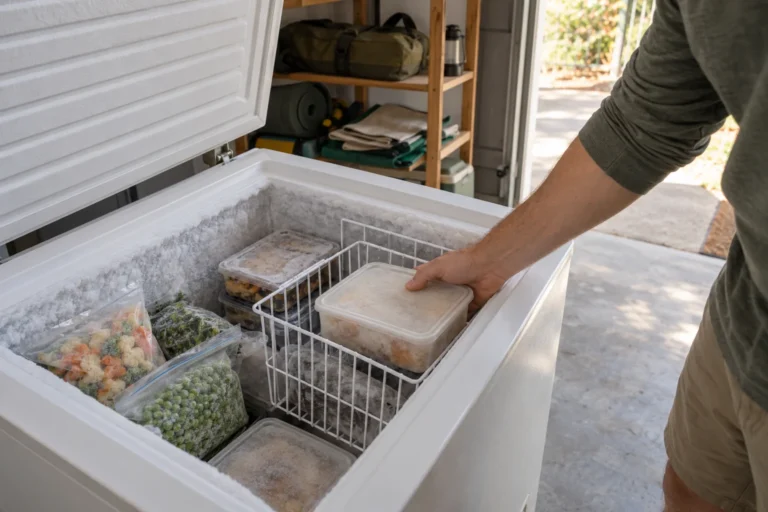
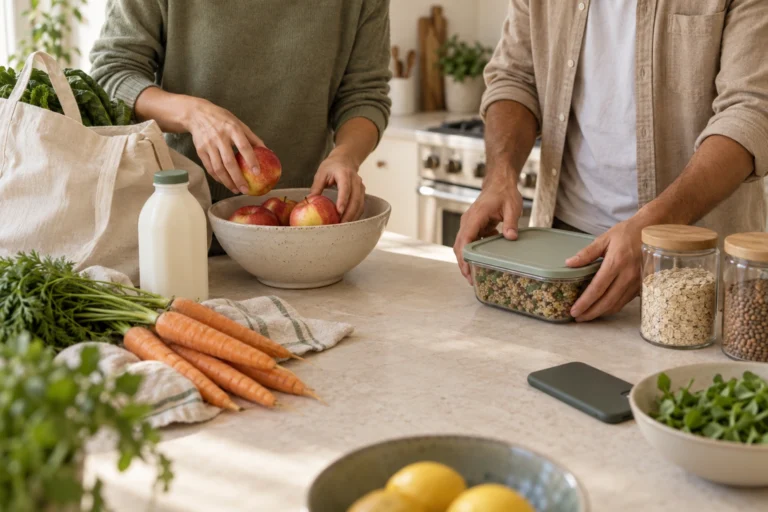
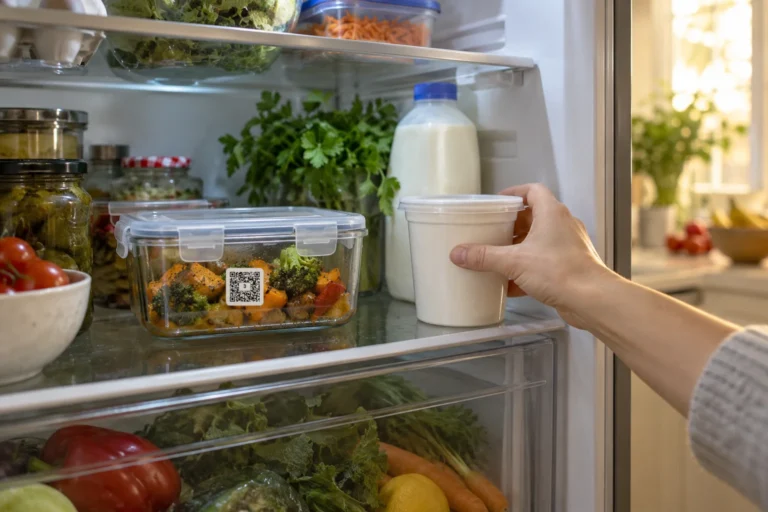
It’s nearly dinner time. There is soup somewhere in the freezer, half a jar of sauce in the fridge and a recipe you’ve been meaning to try. Between them, they could probably solve dinner. The difficulty is remembering enough about each to make a decision.
This is where QR Pantry can earn its place in a kitchen. A label brings back the details of a particular container; the food list lets you see more of what is at home. Recipes, a meal plan and a shopping list become useful when they grow from that picture.
You don’t need to record every spice jar to get there. A few foods and the next couple of meals are enough to discover which details you actually want the kitchen to remember.
A small beginning that gives something back
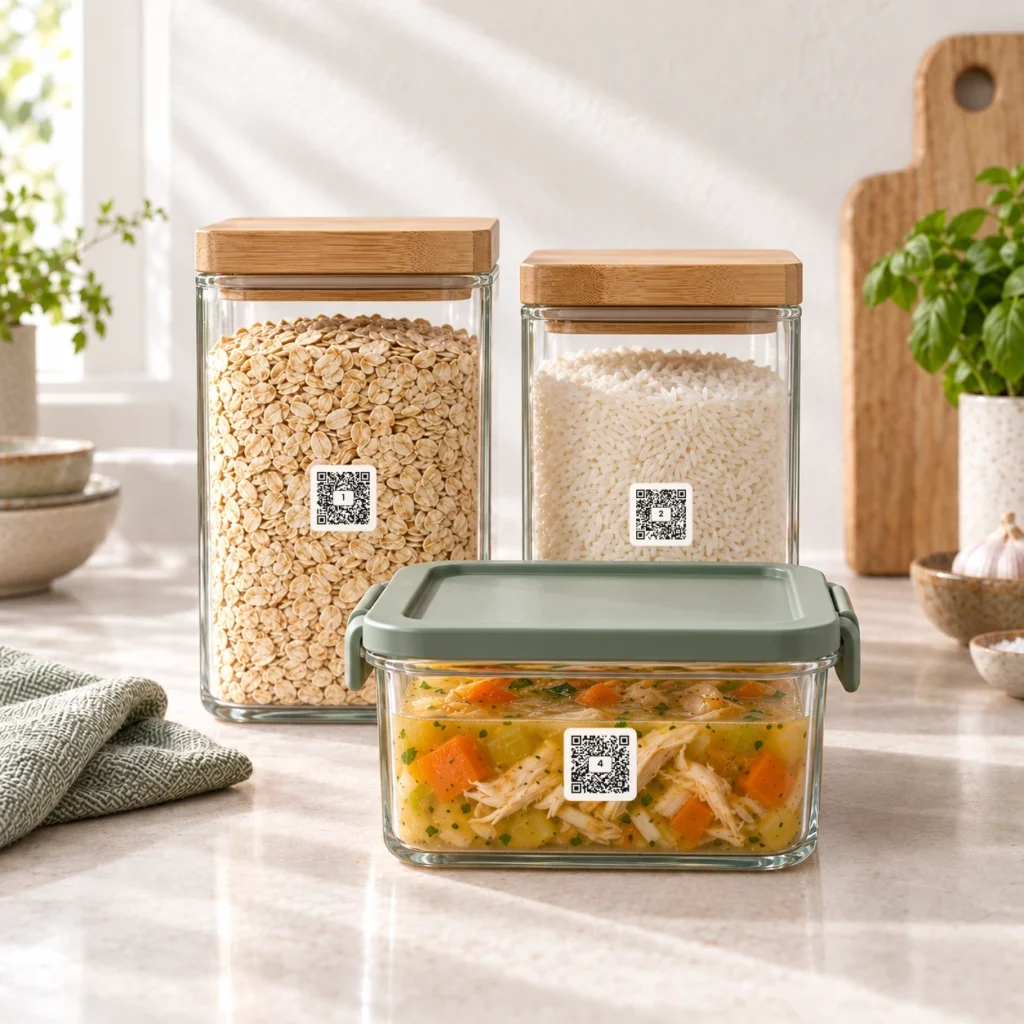
The foods most worth recording are often the ones that leave you guessing. A labelled tin already tells you a lot. A container of homemade soup, an opened sauce or rice that has lost its packet asks more of your memory.
With a QR Pantry label, the first scan is the moment to save what is in the container. The name, date, location and a short note then have somewhere to stay. ‘Lentil soup, two serves, add bread’ is the sort of entry that can settle a dinner decision. ‘Soup’ still leaves a little work to do.
That label-first route is available in the free app. Pairing a label with a food record created earlier is a Pro feature, so beginning with the container’s label keeps a first setup straightforward. Packaged food can also be recorded through the free barcode scanner, with the printed date checked against the actual packet.
Somewhere you can find the food again
A meal remembered in the wrong freezer is only partly found. Clear location names make the records useful to someone standing in the kitchen: Pantry, Fridge or Garage freezer, with a smaller direction such as ‘upper basket’ in the notes.
In QR Pantry, these places are called spaces. Their storage kind matters too; a freezer needs to be set as a freezer so the app has the right context. There is usually no reason to begin with a separate space for every shelf.
The date needs equally clear meaning. For packaged food, the saved Use by or Best before setting should match the packet. FSANZ explains the difference between the two. Cooking and opening history, along with the food’s directions, provide context a date alone cannot supply.
Dinner begins with what is already there
Once those few foods are recorded, the next meal becomes a chance to use the information. The soup may cover a busy evening with bread. The rice and sauce may lead to a recipe. Prepared food and ingredients both help, but they ask for different amounts of cooking.
A small recipe book makes this choice easier. Familiar meals give you somewhere to start, and QR Pantry’s pantry matching can point out ingredients you have recorded. The amount still needs a look: finding the rice jar is different from knowing there is enough for four.
A useful meal plan follows the same logic. The busiest night deserves a manageable dinner, while food needing attention deserves a realistic place early enough in the week. The free planner covers the current week. The meal-planning article explores how a few such choices can fit together.
The shopping list follows the meal
Shopping from that plan means buying the gaps. It might be bread for the soup or a missing ingredient for the sauce, alongside staples that are running low. A specific list is also easier to hand to someone else.
When the groceries return, they become the next part of the picture. Finish shopping lets you review what should refill an existing item or become new food. The saved quantities, locations and packet dates still need to match what came home. An unopened spare packet belongs separately from older food still in a jar.
Pro’s receipt import offers another route into recording a shop. Using either route carefully is more useful than entering the same purchase through both.
The detail that keeps it working
The habit that makes all this useful happens after dinner. A finished container is marked Used up, a partly used ingredient has its amount adjusted, and any extra portions get their own details when safely stored.
Next time, the food list describes the kitchen you have now. The soup is gone, another portion is waiting and you know what the sauce still needs. Dinner still needs choosing, but it no longer begins with trying to remember the contents of every cupboard.