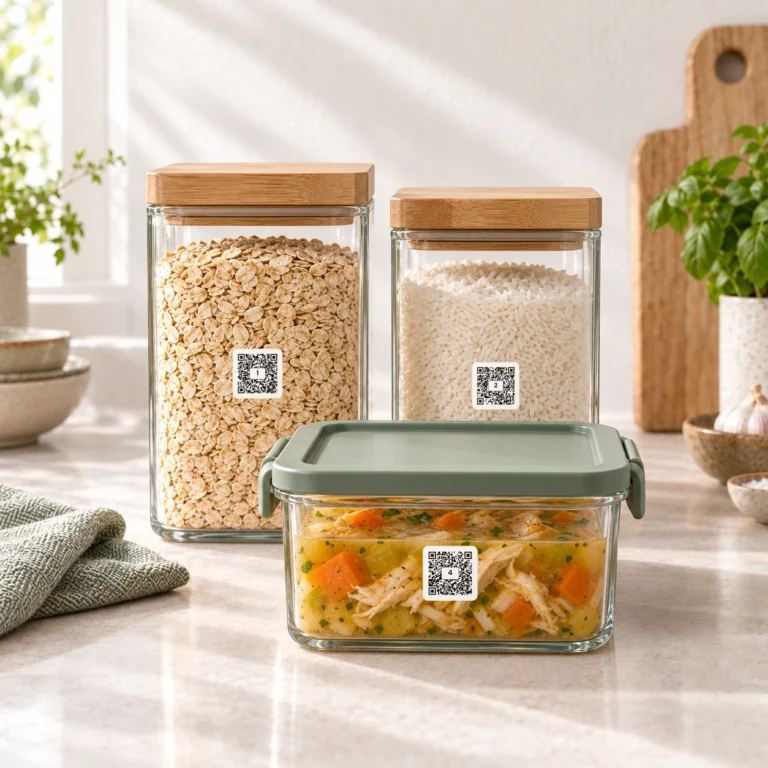
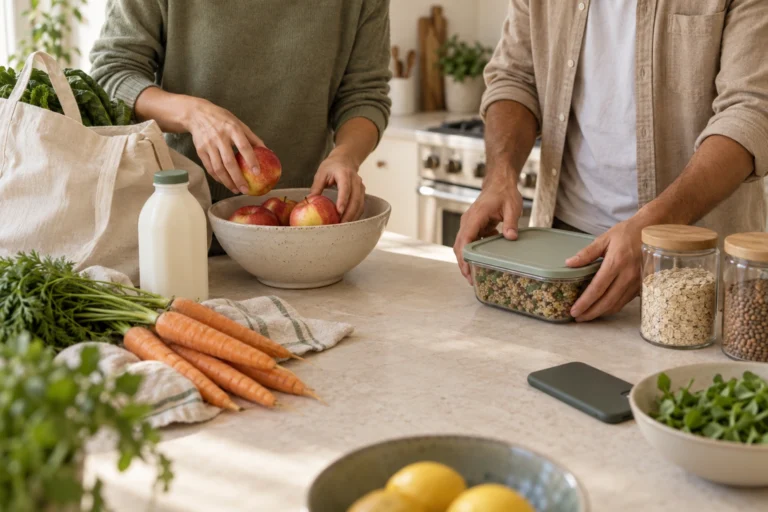
A pot of soup can do several jobs. There is tonight’s dinner, a lunch for one and a spare portion for the evening when nobody feels like cooking. That is the appeal of batch cooking: some of tomorrow’s work is already done.
The benefit can fade between the saucepan and the freezer, though. Similar containers disappear onto different shelves, and a few days later it is hard to remember what each portion was meant to be. Giving the food a purpose while you divide it makes the cooking easier to enjoy later.
The week gives the batch its shape
A late finish needs a meal that is close to ready. A packed lunch needs a portion that travels well. A quieter evening might suit a cooked sauce that still needs pasta and a salad.
Those are different jobs, even if they begin in the same saucepan. For a household of two, a four-serve soup might cover dinner now and dinner another night. A larger batch might work better divided between smaller lunches and a family portion.
The available containers and storage space help decide how much to cook. There needs to be room to cool and store it properly as well as enthusiasm for eating it. A manageable batch is easier to make part of an ordinary week.
Some portions belong in the freezer
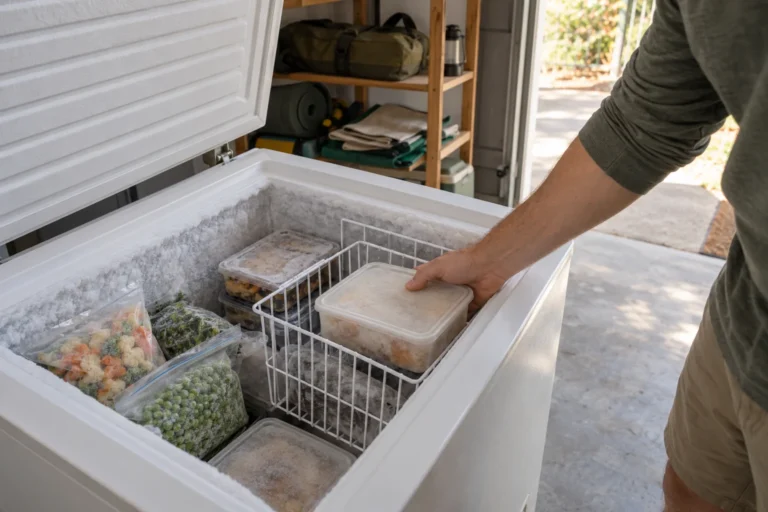
Cooking for the week doesn’t mean keeping every portion in the fridge all week. The meals you will eat soon and the suitable extras for later need different storage plans.
The NSW Food Authority recommends dividing leftovers into smaller portions, cooling and covering them, and getting them into the fridge or freezer within two hours. Refrigerated leftovers should stay below 5°C. Its general advice is three days for leftovers and two days for cooked rice and pasta, with stricter food-specific directions taking priority.
That is why a Friday meal made earlier in the week may belong in the freezer. The date recorded in an app needs to reflect the dish’s history and storage; a suggested date is something to review, not proof that the portion is safe.
One container is not always one serve
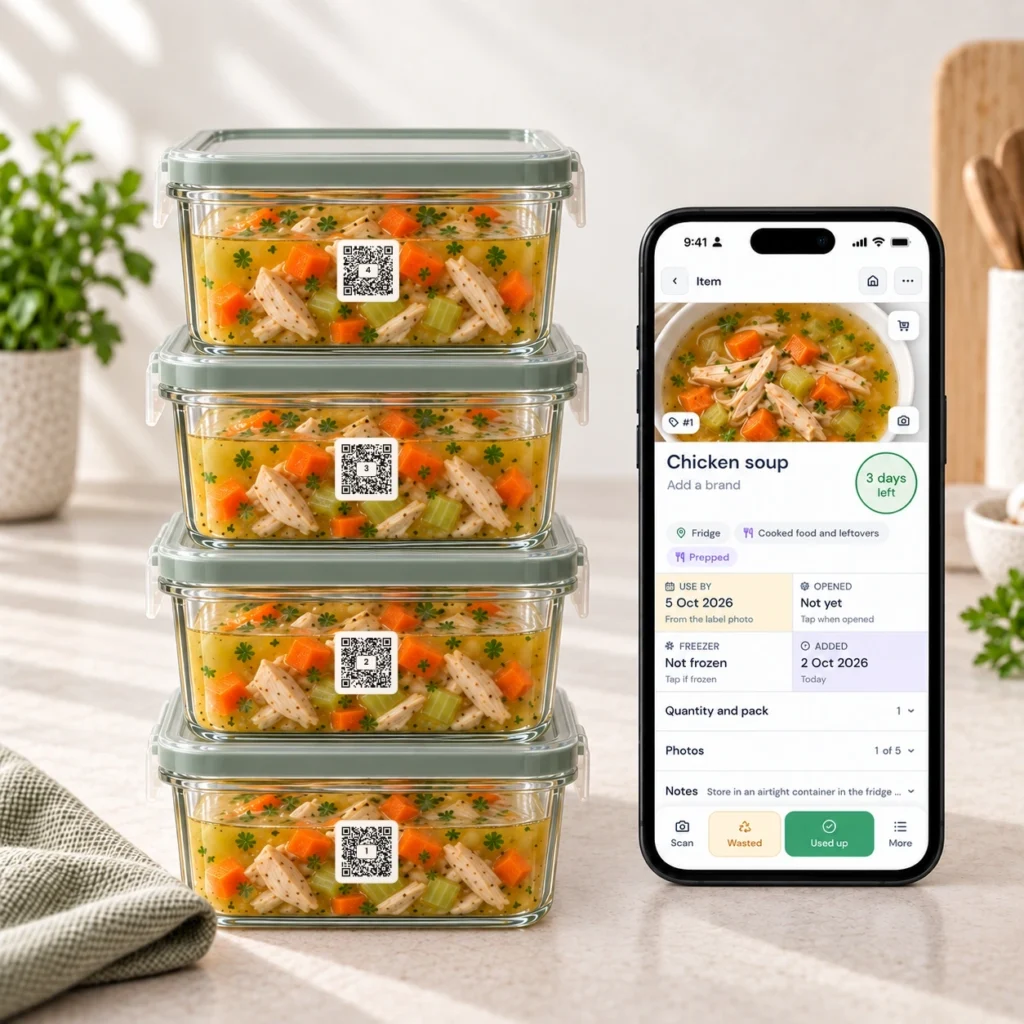
A large container of soup may hold dinner for two, while a smaller one holds lunch for one. In QR Pantry, each labelled container can have its own food record, location and serves. Moving or finishing the lunch then leaves the dinner record intact.
The distinction between quantity and serves is worth getting right. One container holding two serves is still one container. The illustration below shows how a small number of records can describe several people’s meals.
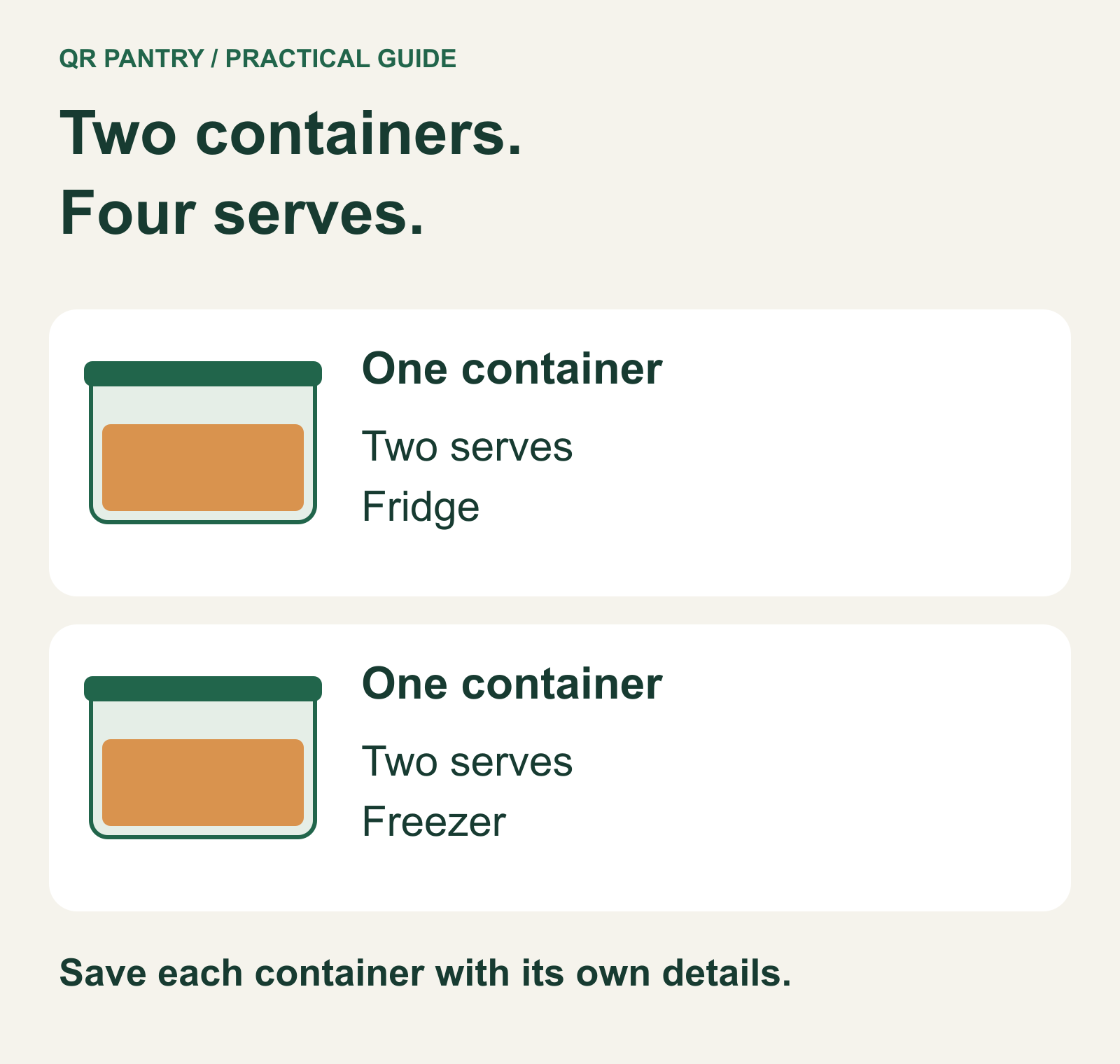
Names and notes make those portions easier to choose. ‘Lentil tomato sauce, add pasta’ describes a cooked base; ‘Pumpkin soup, two serves’ describes something closer to a complete meal. The name and notes explain what remains to be done. Prepped identifies the food as already prepared, while serves records how many people it feeds. Cooking history and relevant ingredient information belong alongside them.
Scanning each container’s QR Pantry label gives those details a home. Each portion then has a record that describes its own date, serving size and destination, ready for the person who comes looking for it.
For frozen portions, the saved item’s Freezer clock holds the freezing history. A new record saved directly to a freezer space doesn’t itself establish when the food went in.
The meal plan is where the work pays off
The portions can now take the places in the week that prompted the cook-up. Suitable fridge portions have the earlier opportunities; a freezer meal can cover a busy evening, with time allowed for whatever preparation its directions require.
A finishing note helps here. Soup with bread is a workable dinner if the bread is available. A sauce still needs its pasta. The shopping list needs those gaps, rather than another set of ingredients for food already cooked. The meal-planning guide follows that idea through a week.
After a portion is eaten, its record needs to reflect what remains. An empty container is marked Used up; a partly used one keeps an updated amount. Appropriate reheating guidance still applies when the meal comes out again.
By the next busy evening, the earlier cook-up has become something more useful than a stack of containers. There is a meal you recognise, enough for the people eating it, with the last small finishing job already written down.