The spinach is still in the fridge, and the recipe you’ve just opened doesn’t use any. You could buy what that recipe needs and hope to use the spinach tomorrow. But tomorrow will bring its own dinner decision.
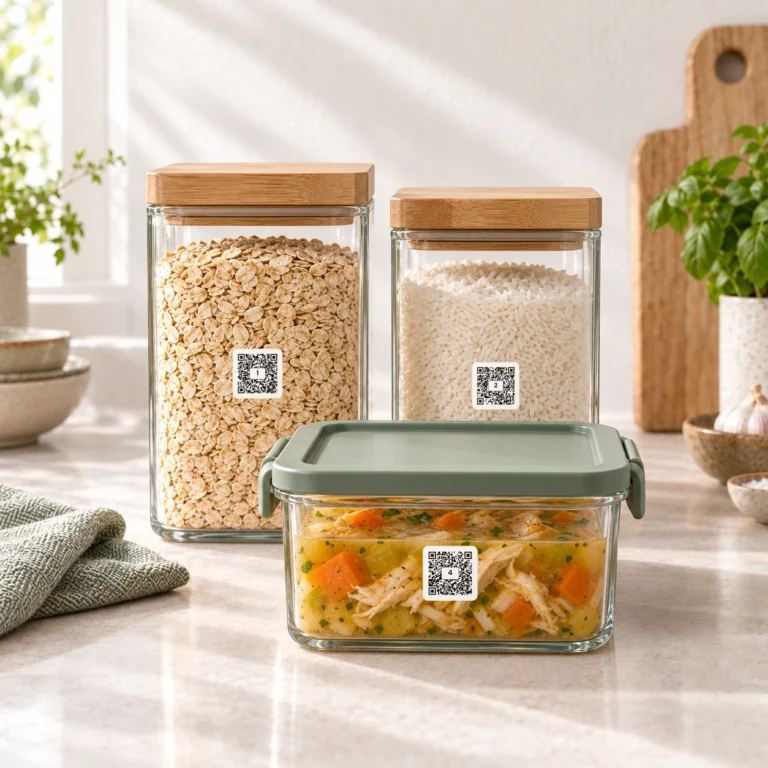
Meal Rescue offers another starting point. It suggests recipes from food you’ve recorded in QR Pantry, giving an ingredient that needs attention a chance to shape the meal. Instead of beginning with every possible dinner, you have a useful constraint: something with spinach, something you’ll enjoy, and something you have time to cook.
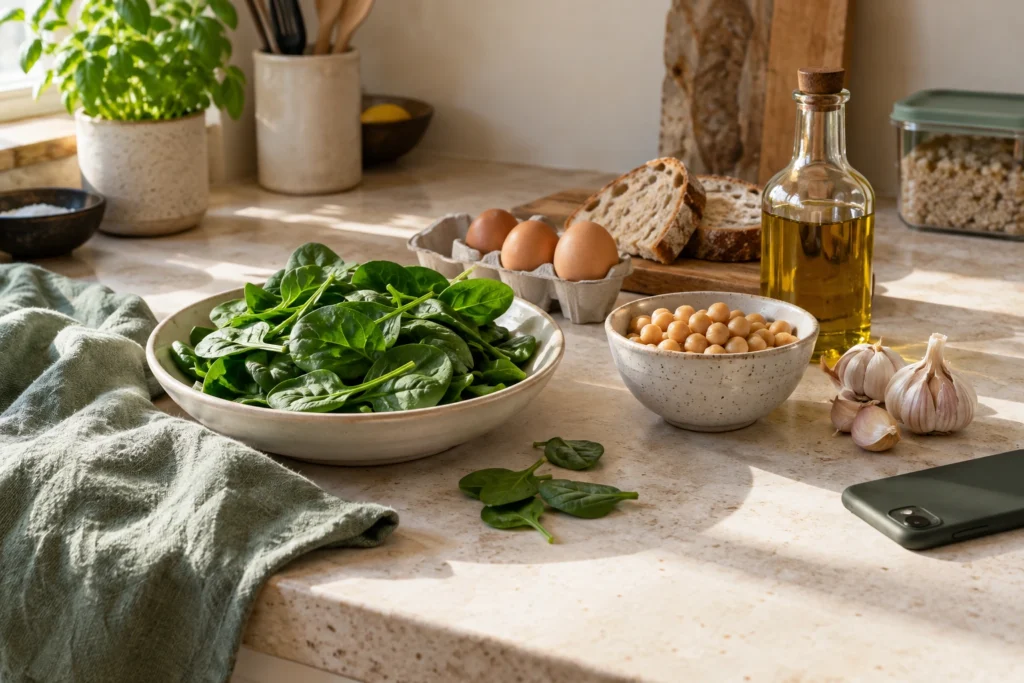
One ingredient is enough to give dinner a direction
There is no need for a dish that uses every odd thing in the fridge. Spinach, strawberries and an opened yoghurt don’t have to end up together just because they’re all waiting. A meal that makes good use of one suitable ingredient is already helpful.
The timing matters. Looking before the next shop leaves room to buy a missing ingredient or choose a different meal. Finding the spinach as you unpack another bag gives you fewer options.
Of course, the food has to be suitable to use. Its actual date, storage history and any after-opening instructions matter more than its position in an app. FSANZ's date guide explains the difference between use-by and best-before dates; food shouldn’t be eaten after its use-by date. An AI estimate can’t establish safety.
Once that is settled, a few accurate records give the suggestions a useful foundation. Spinach, eggs, beans and bread that are actually there are more helpful than a longer list containing things you finished last week. Clear names matter too: cooked chicken and raw chicken present quite different dinner possibilities.
The food behind the suggestions
Meal Rescue’s scope changes which records it considers. Expiring soon focuses on dated food needing attention, while Expiring this month takes a wider view. Everything includes available food without a saved date and is useful for broader ideas, including food in the freezer.
That explains why an ingredient may be missing from a narrow view. Undated spinach won’t appear in Expiring soon, even if you know you want to use it. The answer is to check the record and broaden the view where appropriate, rather than invent a date. Frozen food is also handled differently from unfrozen dated items.
Choosing Dinner and asking for suggestions gives the ideas a purpose. Meal Rescue is available within the allowance shown on your account; Pro uses its shared AI allowance. The useful part comes next, when you decide which suggestion makes sense in your kitchen.
The appealing recipe and the practical dinner
A spinach and egg dish, for example, might need very little extra shopping. A spinach and bean soup might suit an evening when you’d welcome spare portions. Pasta could sound ideal until its sauce turns out to require several ingredients you don’t have. These are possible meal directions, rather than a fixed set of suggestions.
Reading the full recipe makes those differences visible. The title can’t tell you whether you have enough eggs for everyone, whether the timing fits, or whether a missing ingredient changes the whole job. A jar recorded as rice can still be almost empty.
There is also a difference between a recipe that sounds plausible and one you can rely on. AI suggestions can contain errors, so quantities and cooking instructions need a critical read. Allergies and dietary needs require an independent check of the full recipe and actual ingredients. The NSW Food Authority's label-reading advice explains why familiar products still need their current labels checked.
Sometimes the best outcome is an idea that reminds you of a dish you already know. The suggestion has still helped if it turns the waiting spinach into a dinner you want to cook, with a manageable amount of extra shopping.
A useful meal is worth remembering
A suggestion you would make again can go into your recipe book through Save to my recipes. Any changes worth repeating belong in that saved version, so the next bag of spinach doesn’t require the same search. Our recipe-book article looks at building a collection around meals you actually cook.
After dinner, the food records should reflect what remains. Half a packet is still available; an empty one can be marked Used up. If there are extra cooked portions, they need safe storage and their own useful details, following appropriate leftovers guidance.
The spinach has become dinner. Next time it is in the fridge, you may already have a recipe in mind, and this time you’ll know where you saved it.